
Decentralising Water Treatment and Advancing Water Reuse
By Paul Pring, Global CTO, GI AquaTech GmbH
The UK water sector has traditionally relied on large, centralised treatment facilities connected by extensive sewer networks. While effective, these systems are costly to construct, operate, and maintain. As pressures on water resources increase, itis timely to consider a more decentralised approach, where wastewater is collected, treated, and reused closer to its source and without the need for extensive networks moving sewage for many miles.
Climate change is bringing wetter winters and hotter, drier summers, placing increasing strain on water supplies. Modern treatment technologies now make it possible to treat wastewater locally and reuse the resulting effluent for applications such as toilet flushing, landscape irrigation, agricultural reservoirs, and direct irrigation systems. The drought conditions experienced on the UK during the summer of 2026 highlighted the need for more resilient water management strategies. In many water-scarce regions, water reuse is already standard practice, with some countries requiring new developments to recycle all treated wastewater.
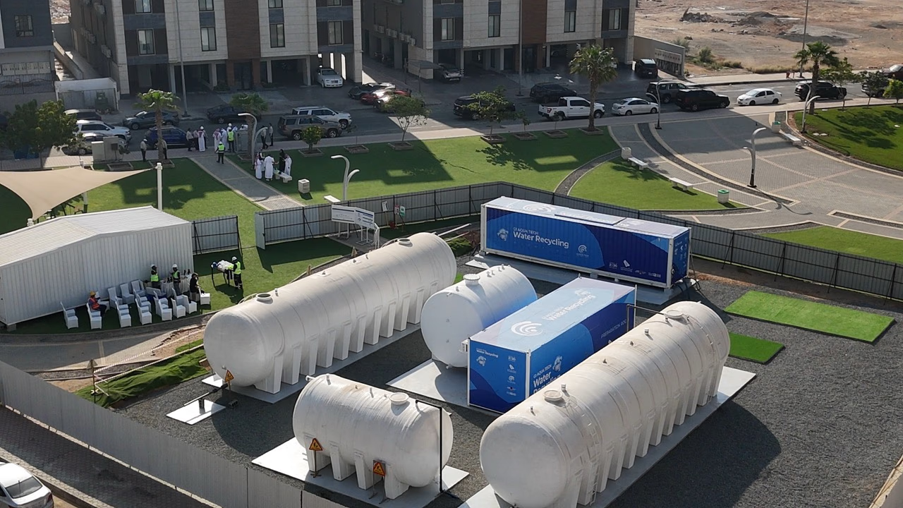
Wider adoption of water reuse in the UK could reduce demand on potable water supplies and lessen abstraction from rivers and reservoirs. While treated wastewater is typically discharged to rivers or the sea, many countries regard it as a valuable resource. Reuse rates of up to 100% are already being achieved in some locations. Additionally, treatment by-products such as sludge can be converted into fertiliser, biomass fuel, or construction materials, creating further environmental and economic benefits.
At GI Aqua Tech GmbH, advanced non-biological treatment systems use nanotechnology to provide efficient decentralised wastewater treatment. These solutions enable developments in areas without access to conventional sewer infrastructure or where existing treatment capacity is constrained. By combining local treatment facilities with dedicated wastewater networks, developers can unlock sites that would otherwise be unsuitable for development while enabling full reuse of treated effluent.
In industrial applications,decentralised treatment systems can treat and recirculate process water,reducing overall water consumption. Non-biological treatment processes alsooffer greater tolerance to high biochemical oxygen demand (BOD), allowing challengingwastewater streams to be treated effectively without requiring significantdilution.


More from the water sector
Find out how the UK water sector is informing, innovating, and influencing change